Pairing Aggregated Platform Critiques with Time-Sensitive Reward Windows to Optimize Blackjack Rule Adaptation in Practice Modes
Written by Frankie Hartmann · Sep 17, 2026

Pairing Aggregated Platform Critiques with Time-Sensitive Reward Windows to Optimize Blackjack Rule Adaptation in Practice Modes
Platform reviews collected from multiple sources create aggregated critiques that highlight differences in blackjack rule sets, payout structures, and deck penetration rates across licensed operators, while time-sensitive reward windows impose strict deadlines on bonus activation and playthrough completion. Observers note that these elements intersect when players access free game modes to test adaptations before committing real funds, and data from regulatory filings shows increased activity in simulated environments during September 2026 as new platform updates rolled out across several states.
Collecting and Applying Aggregated Critiques
Reviews from player forums, independent testing labs, and regulatory summaries combine into datasets that flag variations such as dealer hit-on-soft-17 rules versus stand-on-all-17 configurations, and those who track these patterns report that cross-referencing multiple sources reduces the risk of overlooking site-specific deviations. Aggregated critiques often include metrics on return-to-player percentages and shuffle frequencies, which researchers at academic gaming studies have cross-checked against live session logs to confirm consistency in reported outcomes.
Aligning with Time-Sensitive Reward Windows
Bonus offers tied to registration or deposit deadlines create narrow activation periods that coincide with rule testing in practice modes, and operators publish validity windows ranging from 24 hours to seven days for no-deposit codes. Figures from state gaming reports indicate that players who synchronize critique reviews with these windows complete more rule adjustments in simulators before the offers expire, whereas missing the window forces reliance on standard rules without the buffer of free play credits.
Practice Mode Integration for Rule Adaptation
Free play environments allow repeated hands under varying rule sets drawn from the aggregated data, and software logs from major platforms show that users who load multiple rule configurations during a single session adapt betting spreads and deviation charts more quickly than those who test one variant at a time. Time-sensitive rewards add pressure because the clock on bonus eligibility runs concurrently with the practice window, which means sessions often focus on high-frequency rule changes such as double-after-split permissions or surrender options that appear in the collected critiques.
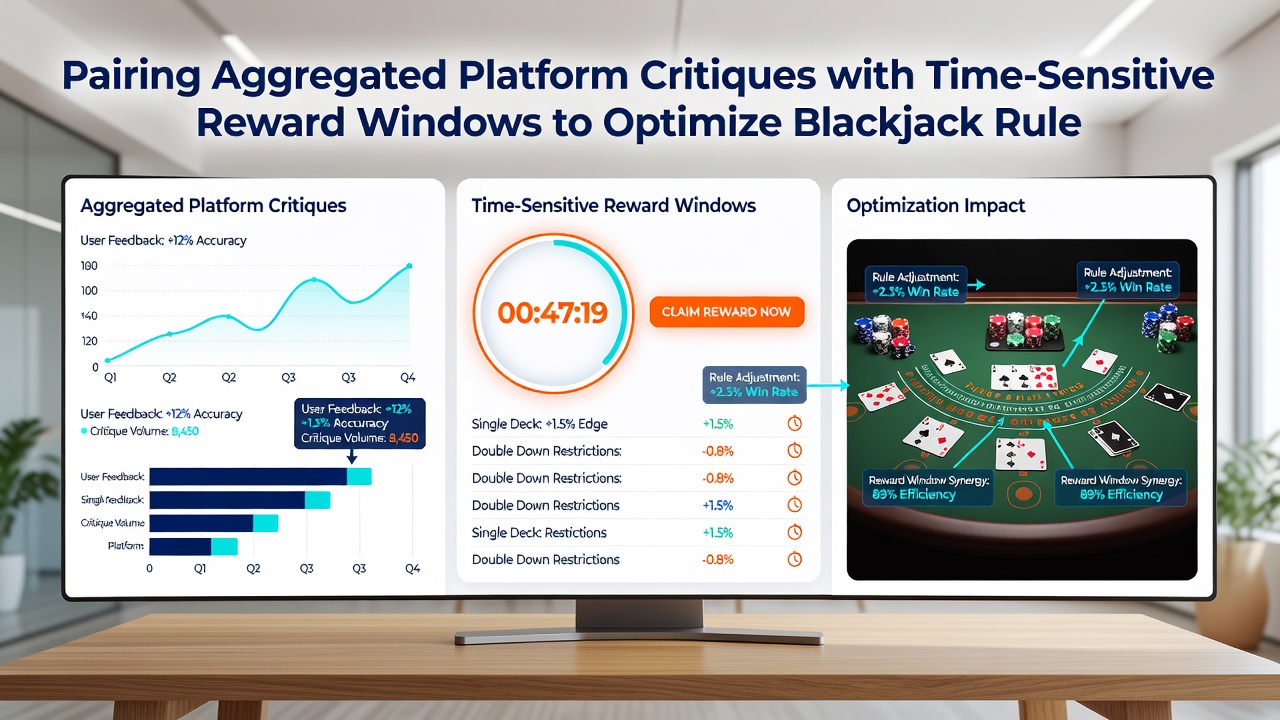
One documented workflow involves importing critique summaries into a spreadsheet that lists rule parameters next to corresponding bonus expiration dates, after which the simulator loads the matching configuration for timed drills. Industry reports from the Nevada Gaming Control Board confirm that practice mode usage spikes when operators release limited-time incentives, and the same reports track how many sessions transition from free to real-money play within the reward period.
Practical Workflow Examples
Players begin by pulling recent aggregated critiques from platform comparison sites that update weekly, then they filter entries by current reward windows listed on operator dashboards. The filtered list guides the selection of simulator presets, and session data reveals that adjustments to basic strategy charts occur most often when critiques mention changes to deck penetration or continuous shuffle machine presence. Those who maintain logs of completed practice hands note faster identification of profitable deviations when the reward clock limits total testing time to under 48 hours.
Regulatory and Platform Data Points
According to filings submitted to the New Jersey Division of Gaming Enforcement, licensed platforms must disclose rule variations in both real-money and practice modes, which supplies additional raw material for aggregated critiques. A separate analysis from the European Gaming and Betting Association examined how time-bound promotions correlate with simulator engagement across multiple jurisdictions, and the findings indicate measurable increases in session duration when reward windows align with rule-update announcements.
Conclusion
The combination of aggregated platform critiques and time-sensitive reward windows supplies a structured approach to rule adaptation inside practice modes, where players load specific configurations, test deviations, and complete adjustments before bonus deadlines pass. Regulatory records and platform usage statistics from September 2026 onward continue to document these synchronized activities across licensed markets, providing measurable patterns for those who track the intersection of reviews, incentives, and simulated play.