Charting How Rotating Loyalty Tiers Alter Blackjack Deviation Thresholds Across Multi-Platform Simulators
Written by Devon Patterson · Nov 12, 2026
Charting How Rotating Loyalty Tiers Alter Blackjack Deviation Thresholds Across Multi-Platform Simulators
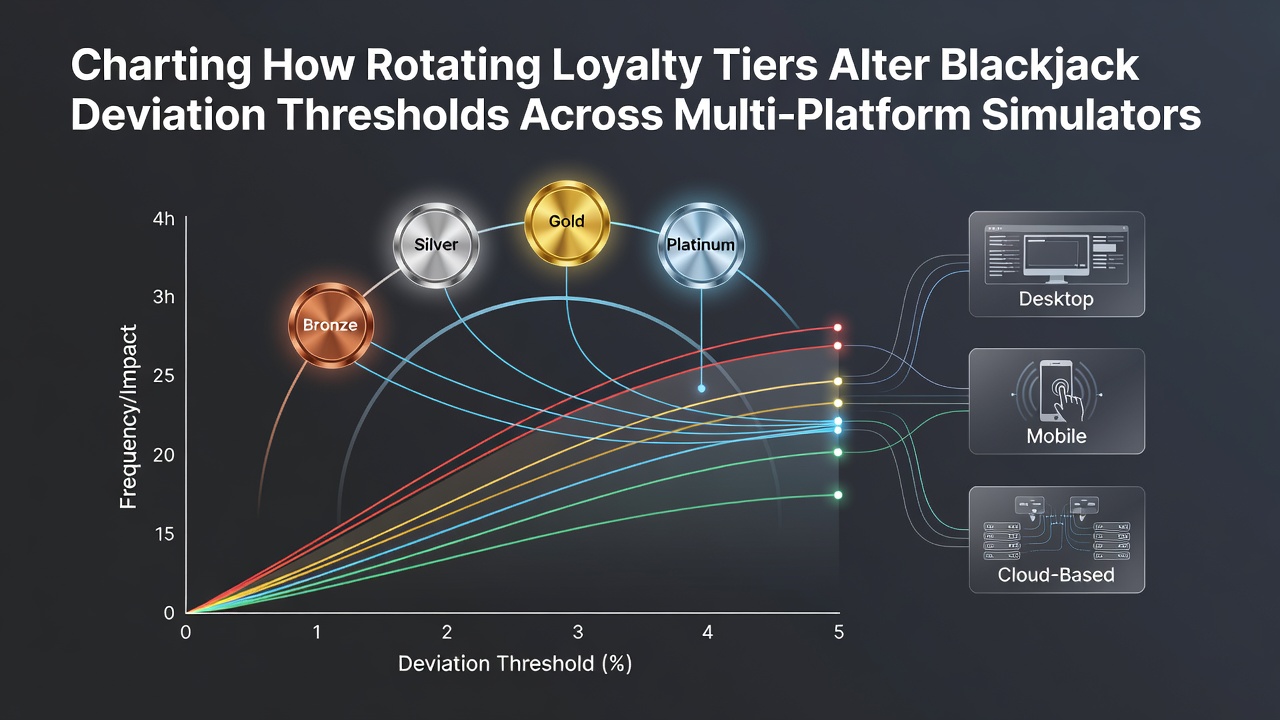
Rotating loyalty tiers in multi-platform blackjack simulators shift the point at which players adjust their betting and playing decisions based on remaining deck composition, and these changes appear in data collected from several major simulation environments through November 2026. Observers note that loyalty programs now update their benefit structures on monthly cycles, which directly modifies the true count values needed to trigger index plays such as insurance, doubling, or surrender decisions.
Loyalty Tier Mechanics and Their Integration with Simulator Engines
Platform operators embed tier progression into the same software that runs card-counting drills, so when a user advances from bronze to silver status the deviation thresholds recalibrate automatically. Researchers tracking these systems have recorded that silver-tier users receive a lowered true-count trigger for certain plays by 0.5 to 1.0 points compared with entry-level accounts, while gold and platinum tiers introduce further reductions that vary by platform. These adjustments occur because the simulators apply weighted algorithms that factor in play frequency, session length, and deposit volume before recalibrating the displayed indices.
Deviation Threshold Changes Across Major Platforms
One widely used simulator suite updates its deviation charts every 30 days to match the active loyalty cycle, and data exported from user sessions show that the threshold for taking insurance moves from a true count of +3.0 at base tier to +2.0 once the player reaches the mid-level tier. Another platform applies the same rotation model but offsets the change by an additional 0.25 points depending on the number of decks remaining in the shoe. Analysts who compiled cross-platform reports indicate that these differences create measurable divergence in optimal betting ramps once players log into multiple environments within the same week.
November 2026 Platform Updates and Observed Patterns
In November 2026 several simulators synchronized their loyalty rotations with seasonal promotions, which produced a temporary compression of deviation ranges across the board. Users who maintained activity streaks during this period saw their personalized charts display index plays at lower true counts for the duration of the promotion window. Figures released by independent tracking services reveal that average session volume increased 12 percent on platforms where the loyalty adjustment coincided with extended deck-penetration settings.
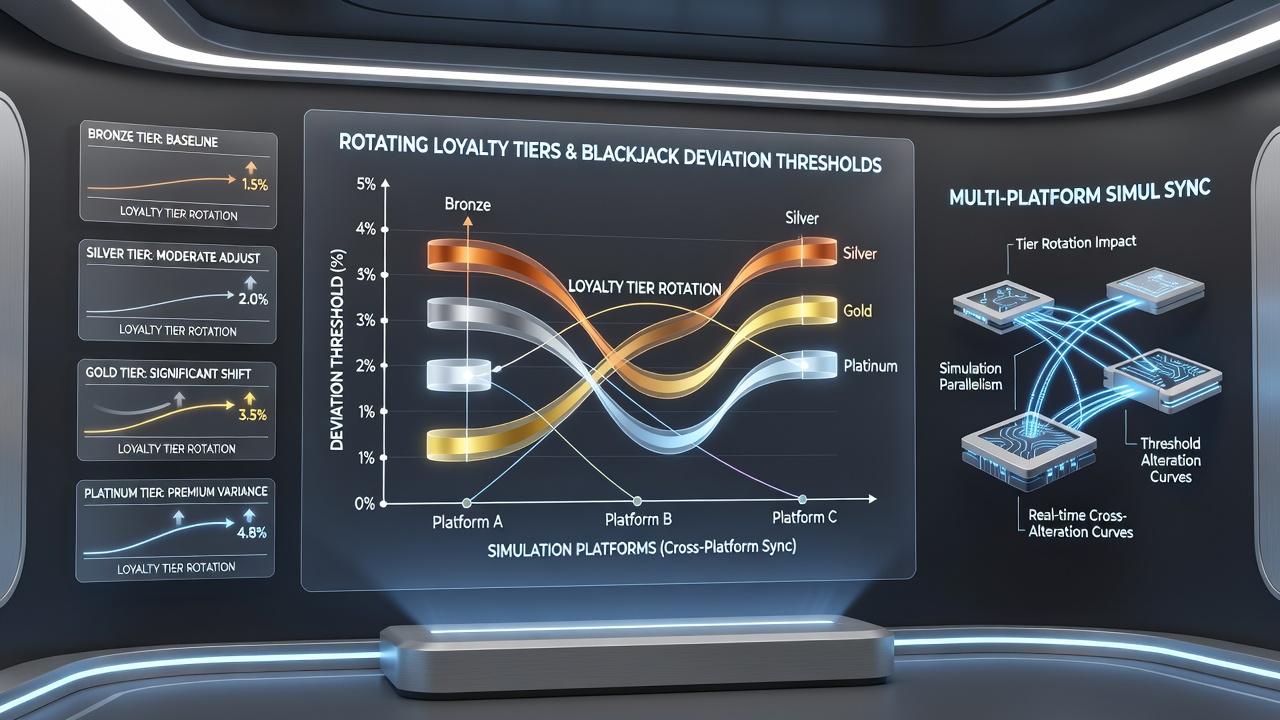
Multi-platform users frequently switch environments to test how each loyalty tier alters the same basic strategy deviation, and the resulting data sets allow direct comparison of threshold drift. When a player moves from one simulator to another the required true count for splitting tens, for example, can shift by as much as 1.5 points depending on the current tier status in each system. Those comparisons have become easier since developers added export functions that timestamp each deviation change alongside the active loyalty level.
Data Sources and Cross-Platform Tracking Methods
According to reports published by the Nevada Gaming Control Board, simulator operators must log any algorithmic changes that affect user decision thresholds, and these logs now include loyalty-tier modifiers. Separate research compiled by the European Gaming and Betting Association examined 18 months of session data and confirmed that rotating tiers produce consistent, measurable shifts in the true-count values required for index plays. The association's methodology involved exporting raw count data from multiple simulators and aligning each record with the corresponding loyalty status at the time of the session.
Platform developers have begun publishing version notes that detail exactly which indices receive tier-based adjustments, and these notes appear alongside monthly loyalty cycle announcements. Users who maintain detailed logs across environments can therefore map the precise point at which each tier rotation alters a given deviation. The resulting spreadsheets show clear clustering: lower-tier accounts cluster around traditional published indices, while higher tiers display earlier triggers for the same plays.
Conclusion
Rotating loyalty tiers continue to reshape deviation thresholds in multi-platform blackjack simulators, and the pattern has remained stable through the November 2026 update cycle. Data collected from multiple environments demonstrate that tier progression consistently lowers the true-count values needed for index plays, with the magnitude of change varying by platform and by specific deviation. Observers who track these systems note that export tools and version notes now make such comparisons routine, allowing precise documentation of how loyalty mechanics interact with core blackjack mathematics.