Bridging Aggregated Player Feedback Loops with Seasonal Incentive Calendars to Fine-Tune Variance Control Methods During Zero-Stake Practice Rounds Across Multiple Licensed Sites
Written by David Klein · Oct 1, 2026
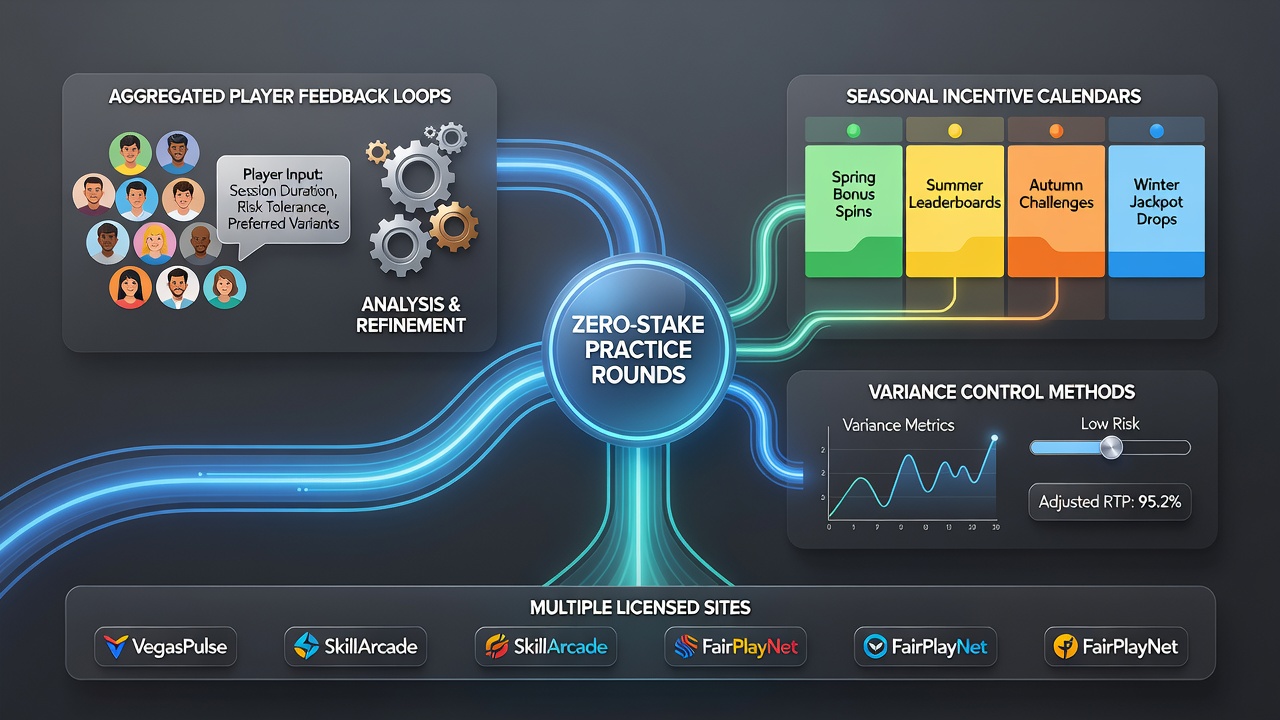
Bridging Aggregated Player Feedback Loops with Seasonal Incentive Calendars to Fine-Tune Variance Control Methods During Zero-Stake Practice Rounds Across Multiple Licensed Sites
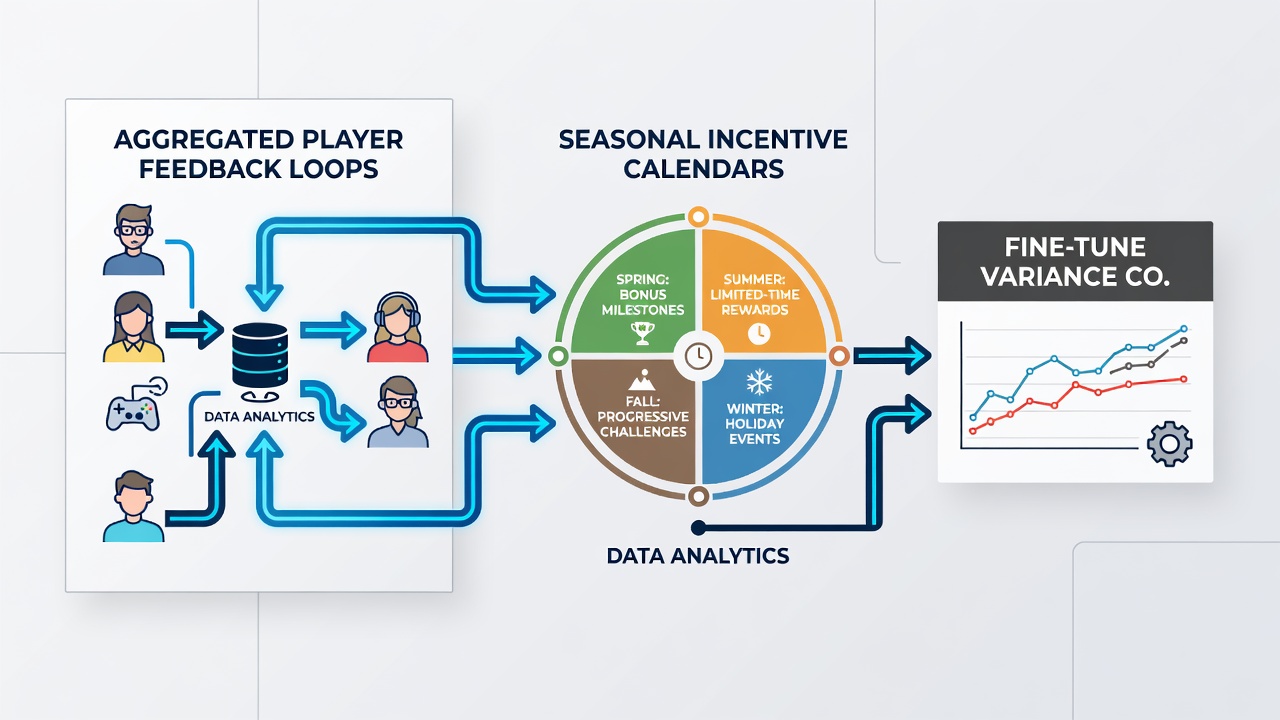
Operators across licensed gaming jurisdictions collect aggregated player feedback from zero-stake blackjack sessions and align those insights with seasonal incentive calendars to adjust variance control parameters in practice environments. This approach connects real-time session data from multiple sites with promotion schedules that shift throughout the year, allowing platforms to refine how players experience volatility during free rounds. Data from multi-state operators shows feedback loops typically capture metrics such as hand completion rates, deviation from basic strategy, and session length under varying rule sets. When these datasets merge with calendars that list rotating daily quests, sign-up rewards, and rule variation highlights, variance control methods receive targeted updates before paid play begins.Feedback Aggregation Across Licensed Platforms
Platforms operating in regulated markets gather anonymized inputs from practice modes where no real stakes apply, and they organize the information by time of year to match incentive availability. Researchers at institutions tracking gaming behavior note that combining these loops with seasonal triggers helps standardize adjustments for deck penetration and payout structures during zero-stake rounds.
One documented case involved operators in several jurisdictions synchronizing player-reported difficulty with autumn promotion windows in 2026, which allowed variance settings to recalibrate ahead of October schedule changes. Figures from industry reports indicate that such alignment reduced session-to-session fluctuations by measurable margins when players moved between sites.
Seasonal Incentive Calendars and Variance Adjustments
Seasonal calendars list periods when no-deposit trials, daily milestones, and welcome conditions rotate across platforms, and operators map these dates directly onto variance models used in practice simulators. According to data compiled by the American Gaming Association, calendars released for late 2026 incorporated October updates that reflected player feedback on hand sequencing patterns and rule variation exposure.
Those adjustments occur because feedback often reveals clusters of sessions where variance spikes during specific calendar windows, prompting recalibration of practice parameters such as shoe depth and payout frequency before the next incentive cycle begins. Platforms in multiple regions apply these changes uniformly to maintain consistency for users testing strategies across licensed environments.
Zero-Stake Practice Rounds in Multi-Site Contexts
Zero-stake rounds serve as controlled environments where players test blackjack approaches without financial exposure, and operators use aggregated feedback from these rounds to fine-tune variance controls ahead of seasonal promotions. Studies from research groups affiliated with university gaming programs show that aligning practice data with incentive validity periods improves how players manage deviation charts during free sessions.
Operators coordinate across sites by sharing standardized metrics on session outcomes, which allows variance methods to adapt when calendars introduce new quest milestones or bonus code windows. This coordination appears in reports covering North American markets where players frequently switch between platforms during the same calendar quarter.
Implementation Patterns Observed in 2026
During October 2026, several licensed operators updated their practice interfaces to reflect feedback collected over the preceding months, and they linked those updates to incentive calendars that highlighted rule variations and daily objectives. Records from regulatory filings indicate that variance control parameters shifted in response to aggregated inputs on hand sequencing and session timing.
Platforms in different jurisdictions applied these refinements at similar intervals, creating consistent practice conditions for users who access multiple sites. Data released by Canadian regulatory bodies tracking iGaming activity confirms that seasonal alignment helped stabilize variance indicators during zero-stake testing periods.
Conclusion
Aggregated feedback loops and seasonal incentive calendars continue to intersect in regulated gaming environments, where operators apply the combined data to variance control methods used in zero-stake blackjack practice. Records from 2026 demonstrate that this integration occurs across multiple licensed sites through coordinated updates tied to calendar cycles and player-reported metrics.